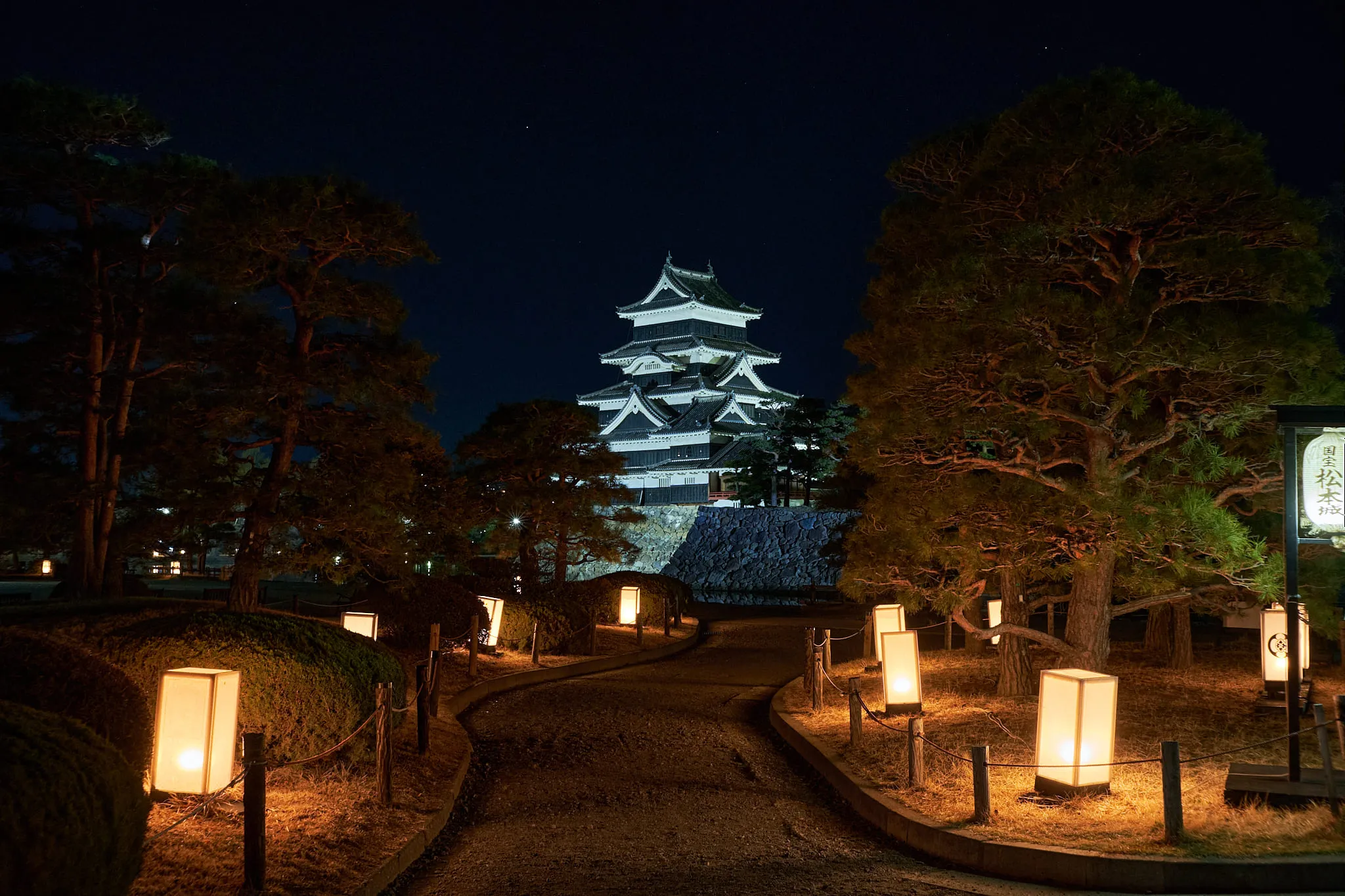
Japan had been on my list for a long time.
I remember hearing about the bullet trains when I was in school. Much later, a couple of conversations made me seriously want to visit. An Airbnb host in Chennai told me how impressed he had been by how efficient everything was. A friend who travels a lot went further—after visiting Japan, he said he didn’t really want to travel anywhere else. He’d rather just keep going back.
I was curious about it for many of the obvious reasons too: technology, gaming, trains, and a culture that seemed quite different from anywhere I’d been before.
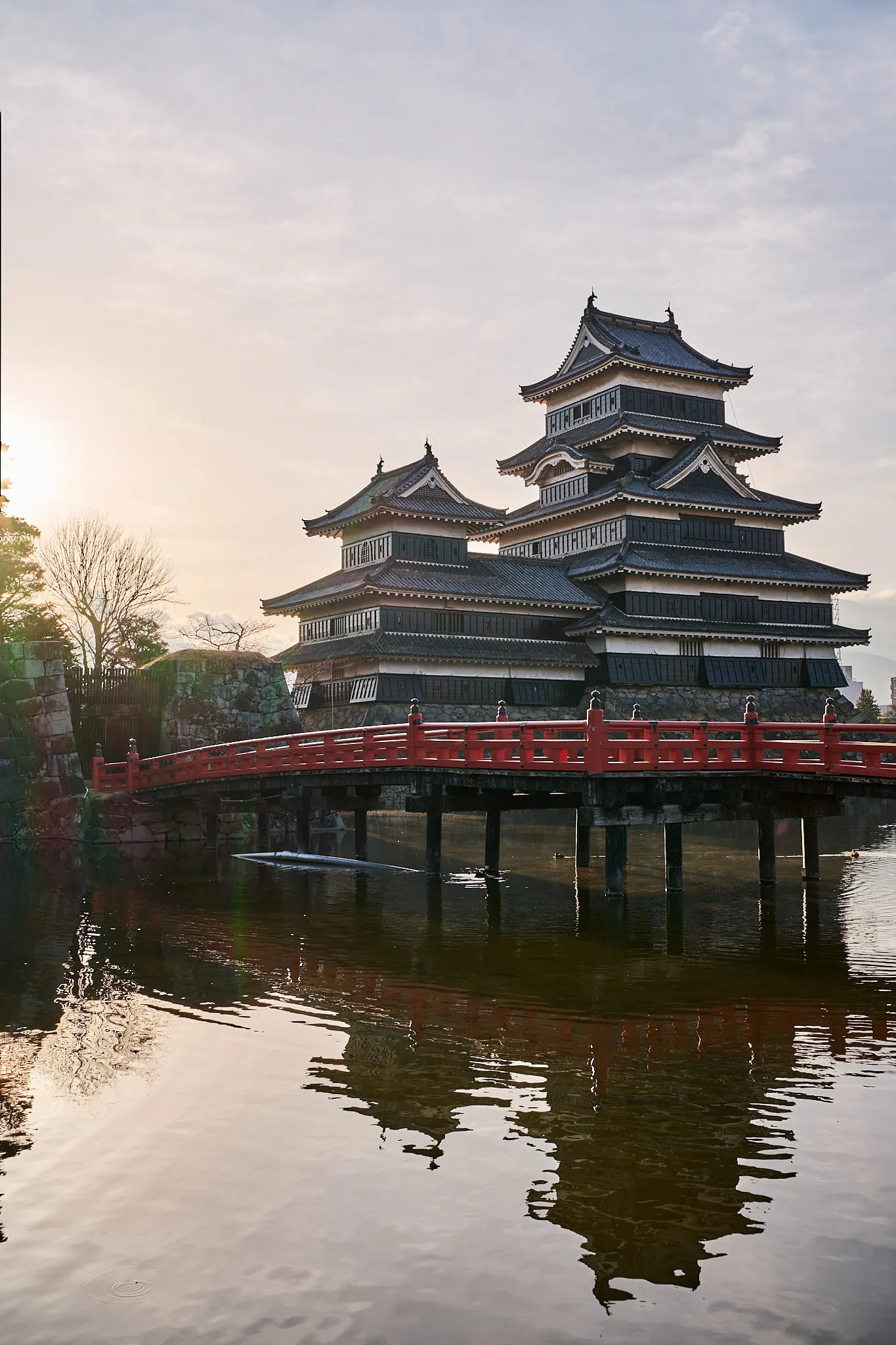
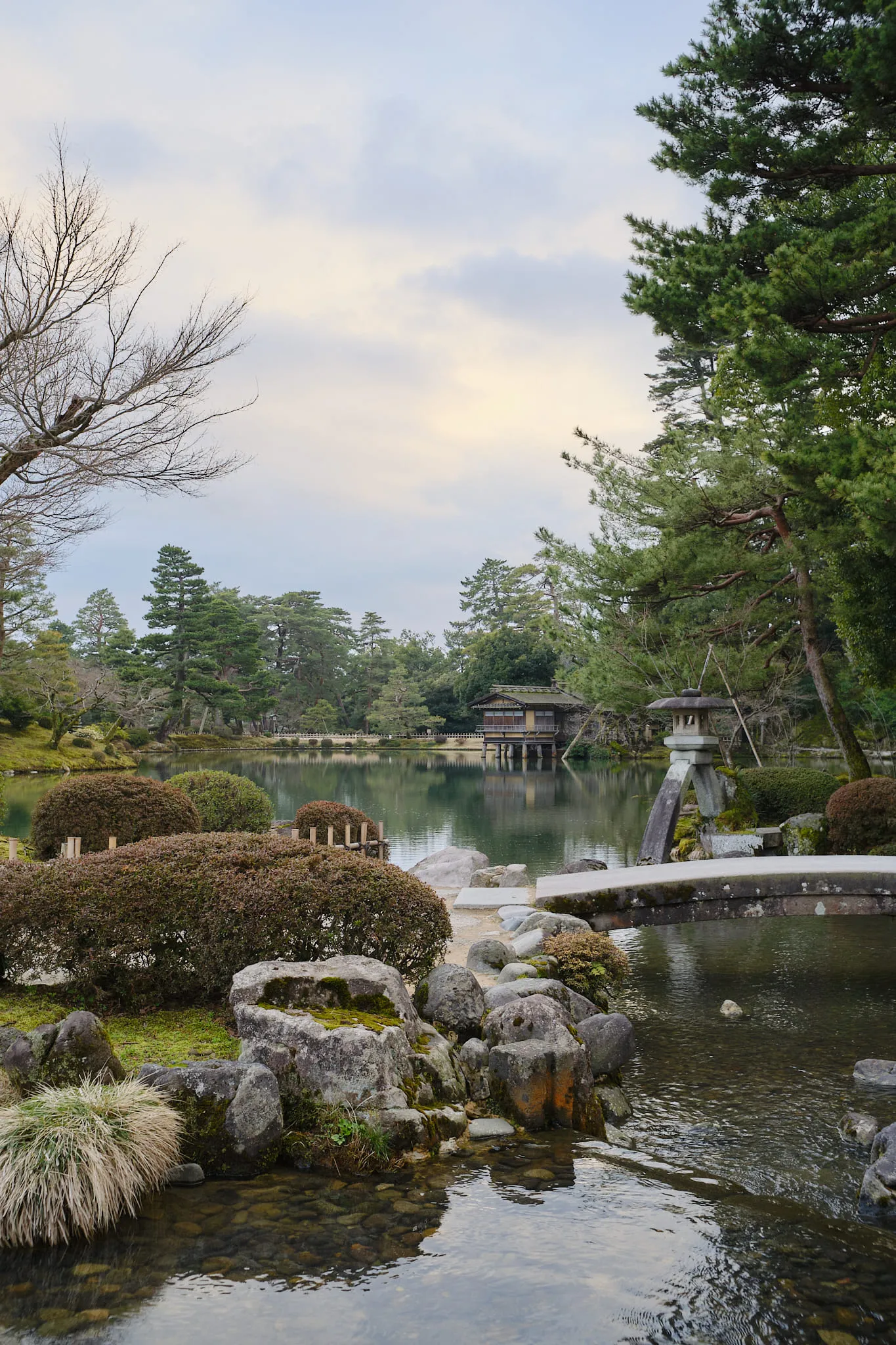
Earlier this year, my wife and I finally went. We spent about three weeks travelling from Tokyo to Matsumoto, Kanazawa, Kyoto and Osaka, before returning to Tokyo. On the way back to Bangalore, we also had a long layover in Hong Kong and spent the day exploring the city.
My first impression of Japan was simply how clean it was. We took a bus from Narita into Tokyo, and even from the window, the roads and streets looked almost pristine.
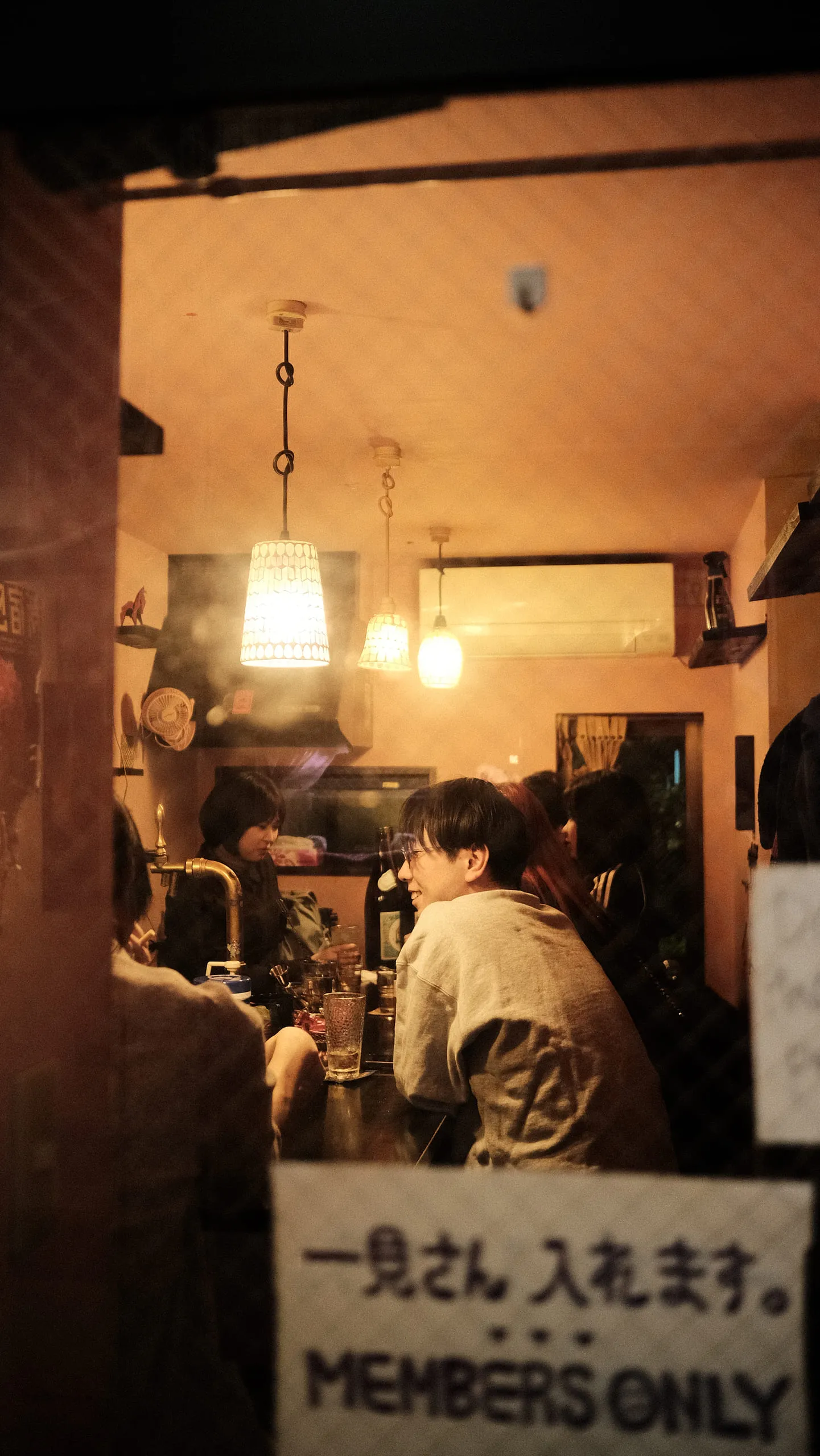
Over the next few weeks, I started noticing the same attention to detail everywhere.
People kept small plants outside their houses, often carefully trimmed and maintained. Shop signs, posters and packaging were unusually well designed. Even fairly ordinary things seemed to have had someone think about how they should look and work.
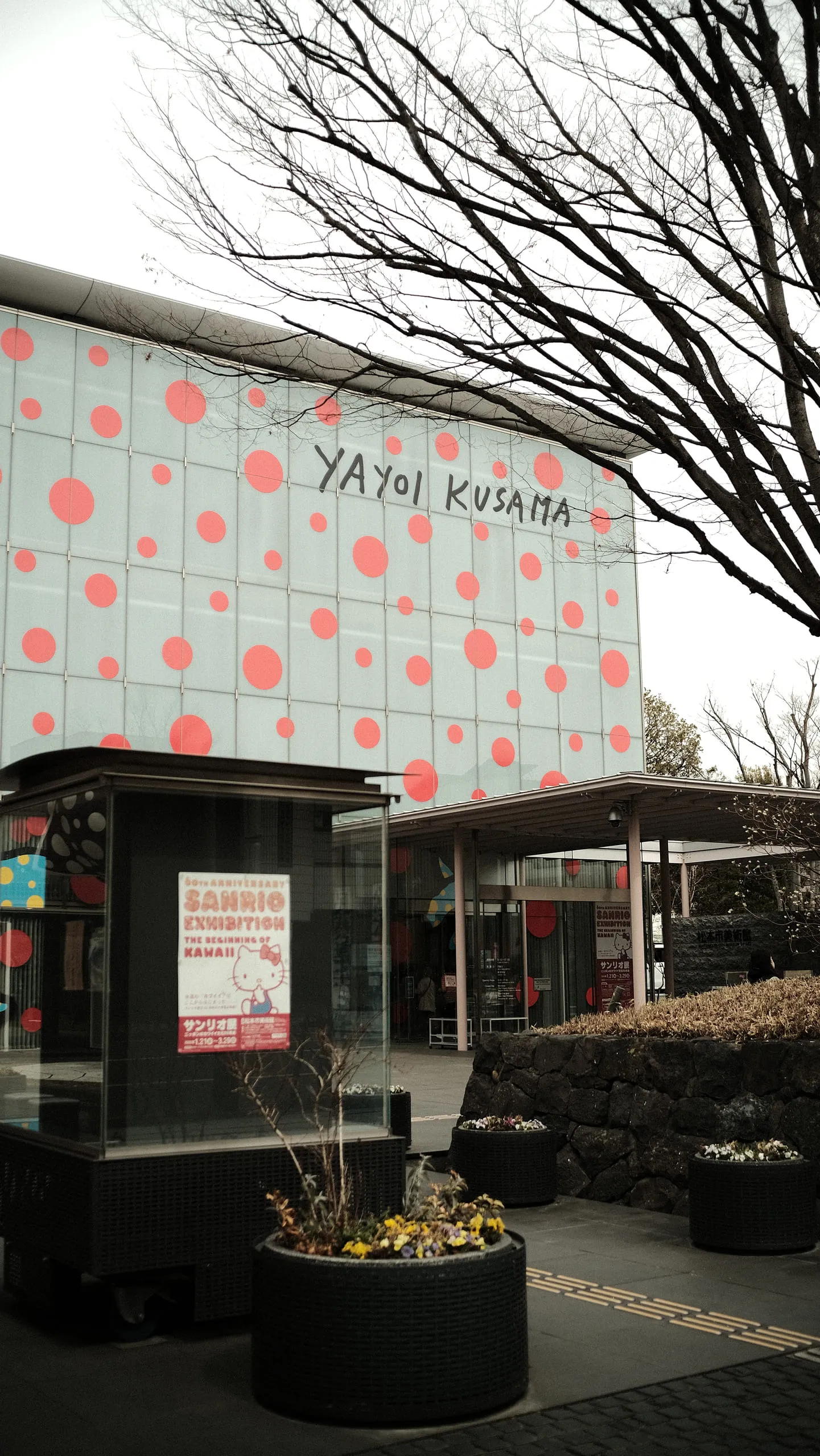
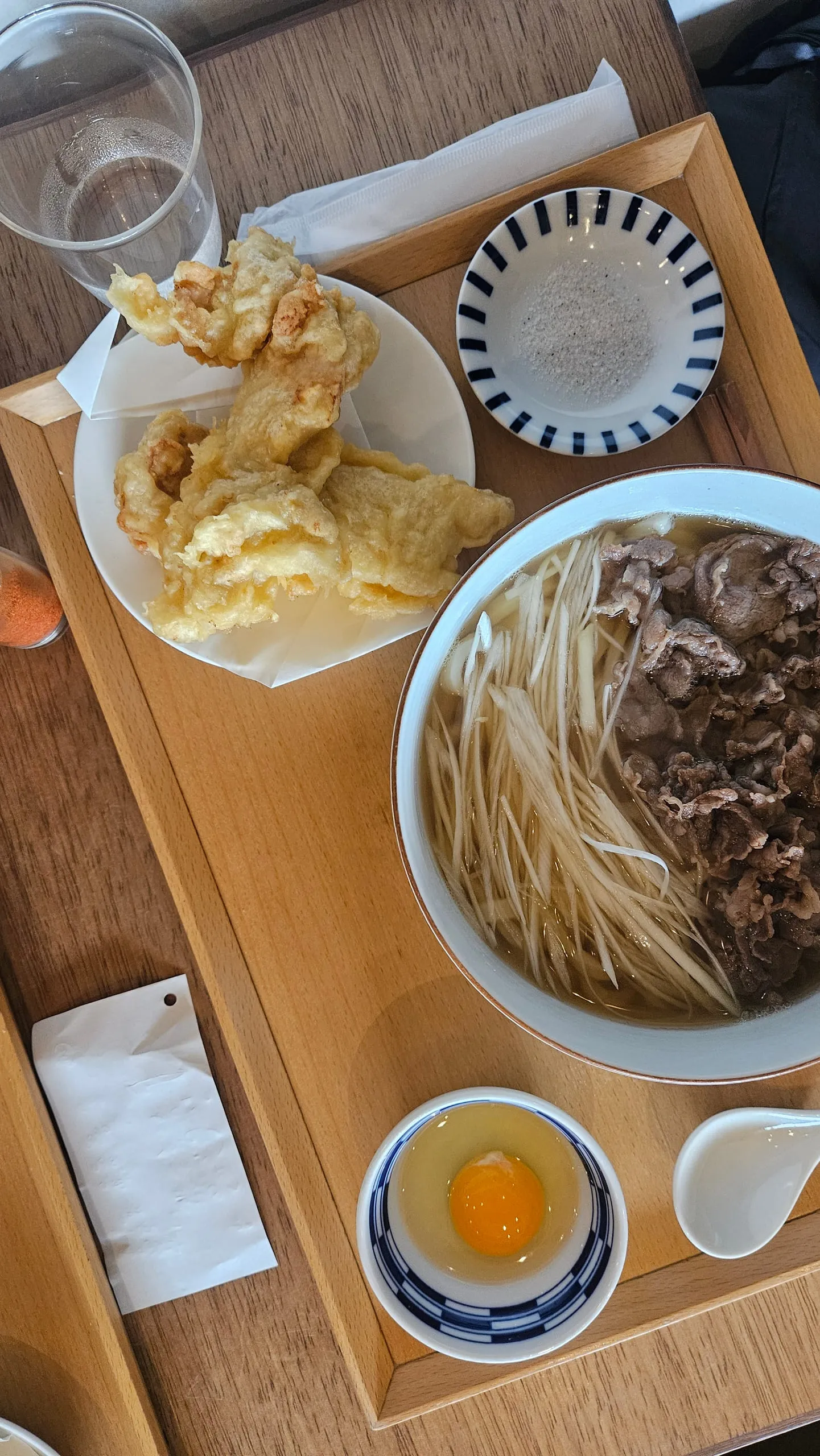
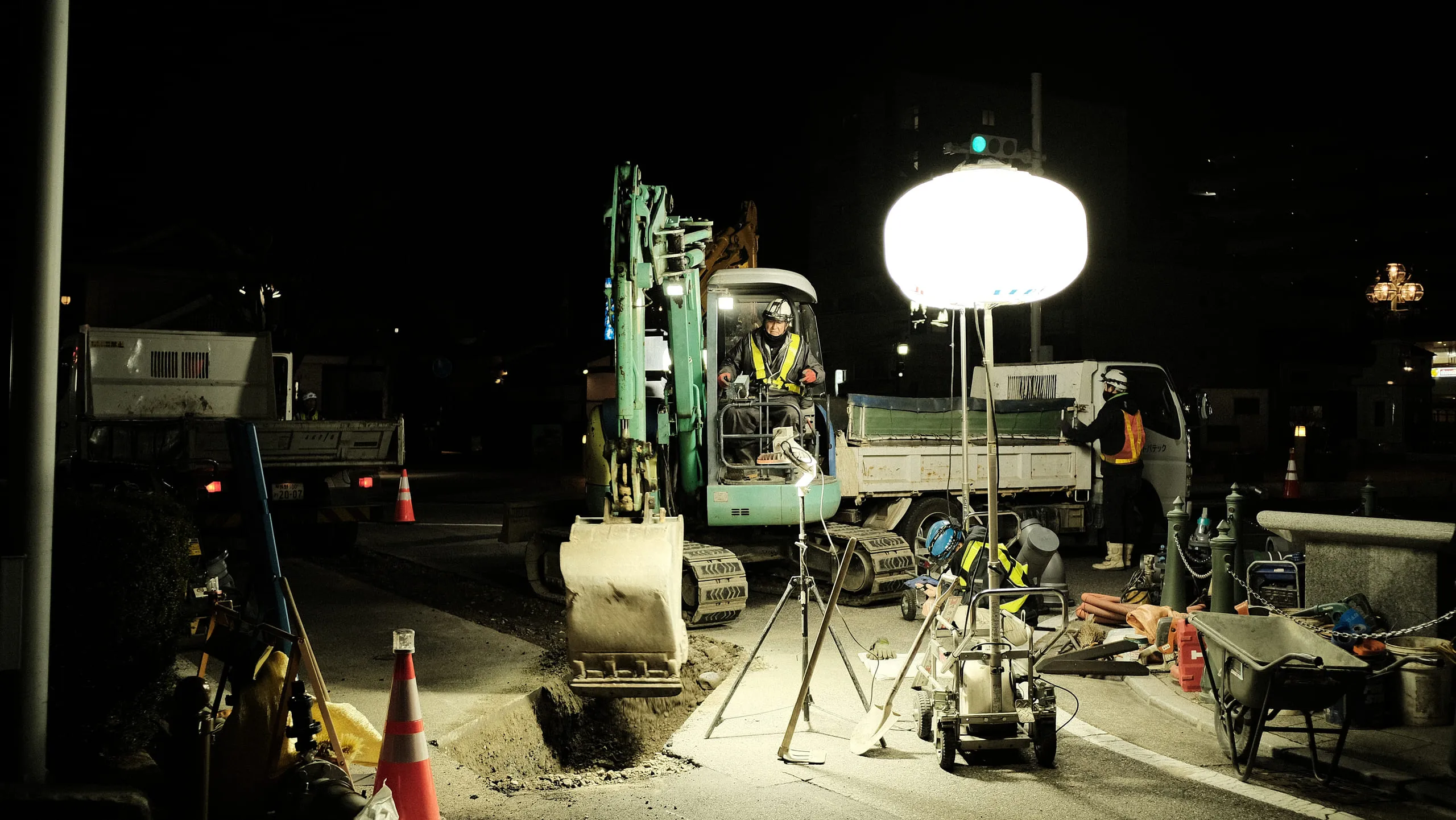
That extended to much bigger things too.
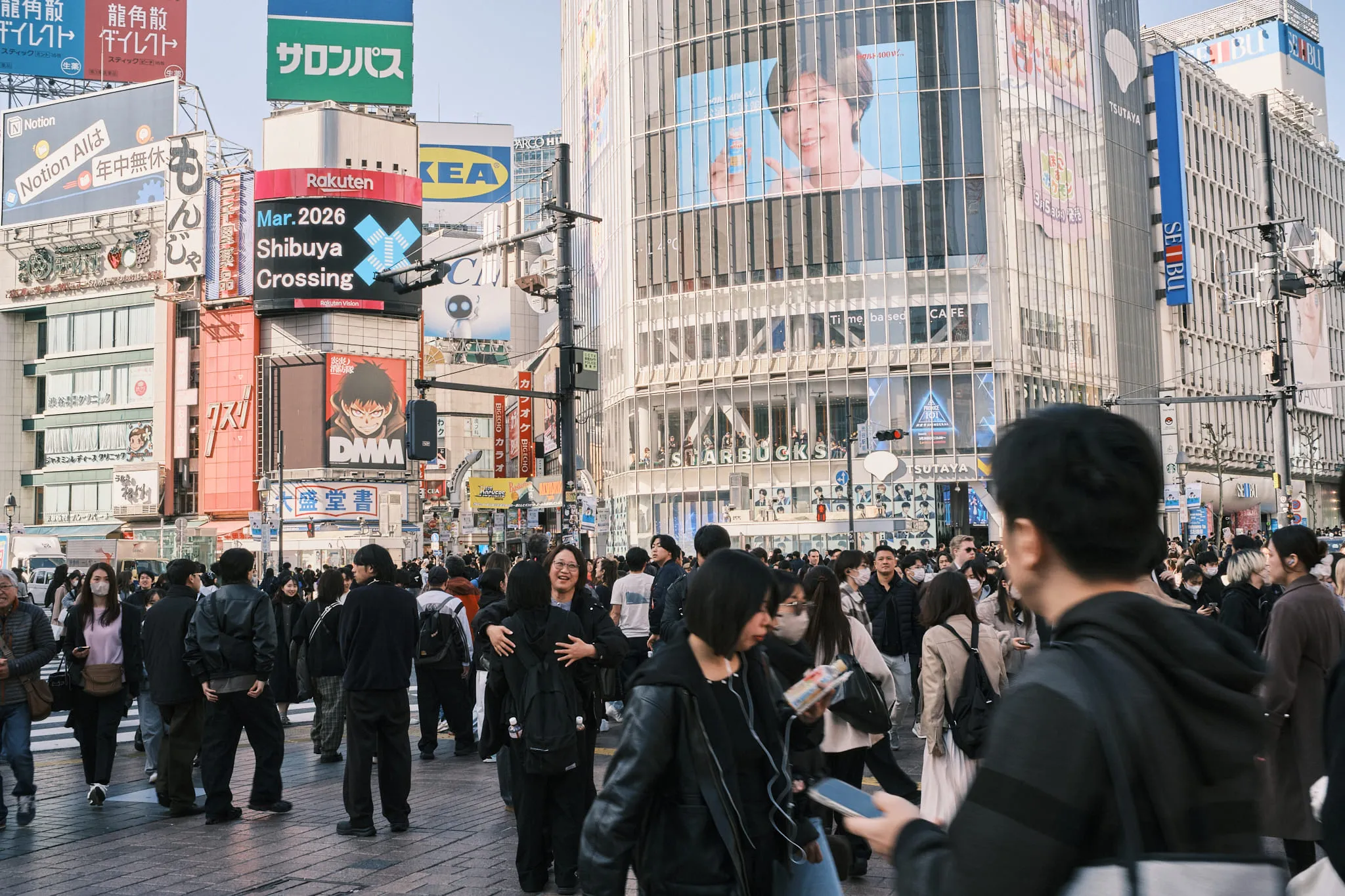
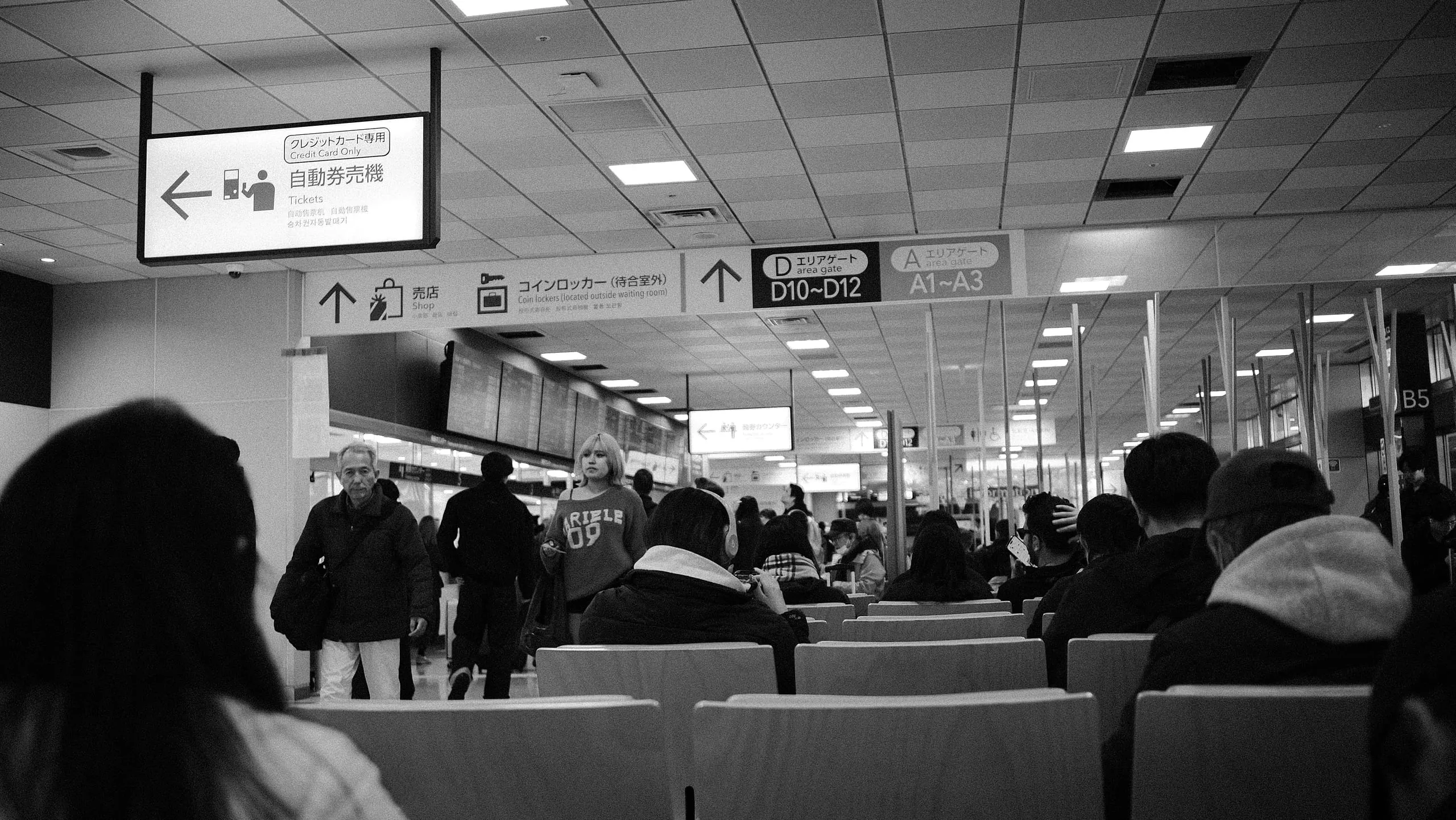
Shibuya and Shinjuku could be incredibly crowded, but I rarely found them stressful in the way crowded places often are. Thousands of people might be moving through a station, but there was a sense of order to it. Signs told you where to go. People seemed aware of the people around them. The chaos had structure.
Then we’d go somewhere like Matsumoto and everything would slow down. At our Airbnb, we were told to let them know if we planned to return after 10 PM because nobody would be around that late. It felt very far removed from Tokyo, where the city seemed capable of continuing indefinitely.
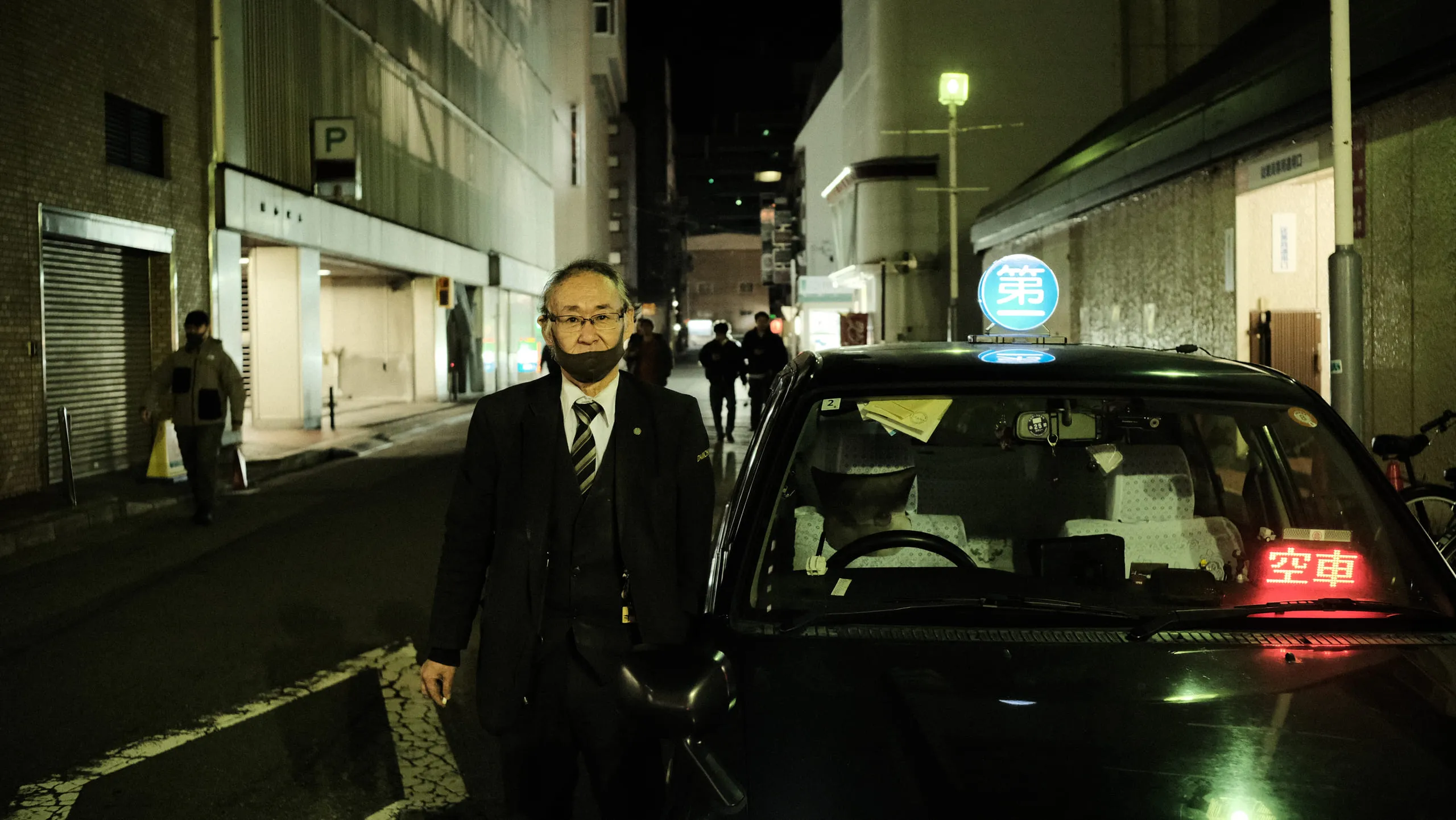
I had expected Japan to be difficult to travel through. I don’t speak Japanese, relatively few people spoke English, and I expected the cultural and language differences to create a lot of friction. They didn’t. Japan felt distinctly Japanese—more so than most countries I’ve travelled to—but getting around and figuring out everyday things was surprisingly easy.
One of my favourite memories, though, has very little to do with any of this.
One evening in Kanazawa, my wife and I came across a small eyeglass shop while walking around. She had heard that Japan was a good place to buy glasses, so we went in.
The elderly man running the shop must have been in his eighties. He didn’t speak English and we didn’t speak Japanese, so most of the conversation happened through gestures and Google Translate. At some point he realised we were from India—“Indo?”—and started telling us about Indian friends he’d made while working at an embassy.
We were about to leave when he stopped us and gave us a bracelet he had made.
Then I noticed some old postage stamps beside one of the display cabinets. I pointed at them and tried to ask whether he collected stamps. I’m still not sure he understood the question. But he immediately picked them up and gave them to me.
I tried to refuse. He insisted.
They were stamps cut from letters that friends had sent him over the years. He told us he had plenty more and made it quite clear that he’d be disappointed if I didn’t take them.
We walked out of the shop with a bracelet, a small collection of somebody else’s old stamps, and the strange warmth that comes from an interaction you couldn’t possibly have planned.
Looking back, I think that’s also what I remember most about Japan: how much difference the finer details make.
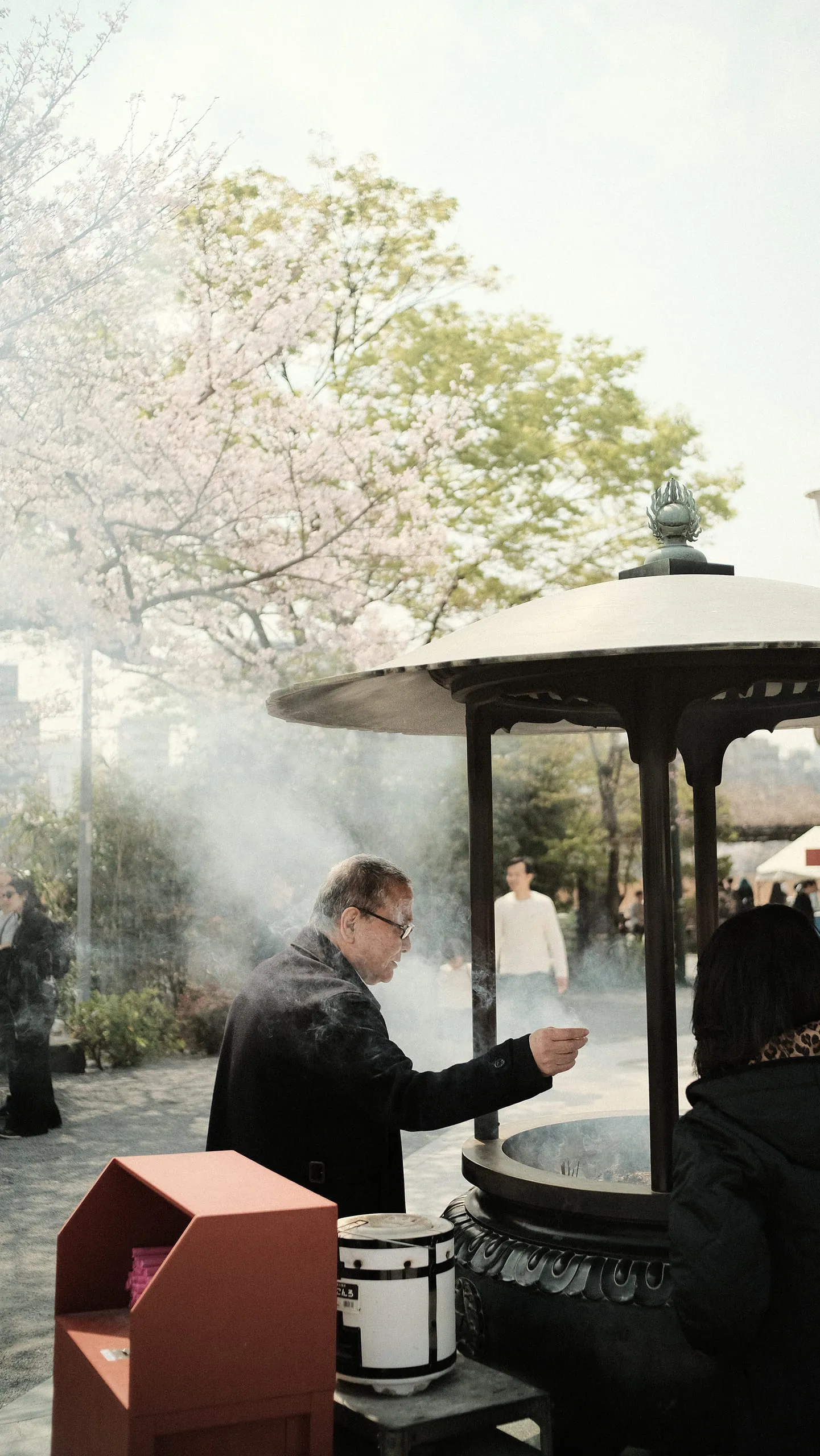
We packed far too much into those three weeks—there were days when we walked twenty or twenty-five thousand steps—and there is a lot of the trip that deserves its own post. This is the overview: the route we took, some of the photographs I came back with, and a few of the things I still find myself thinking about.